Agile
Status: PrototypeGPS lap timer and driver display for circuit racing
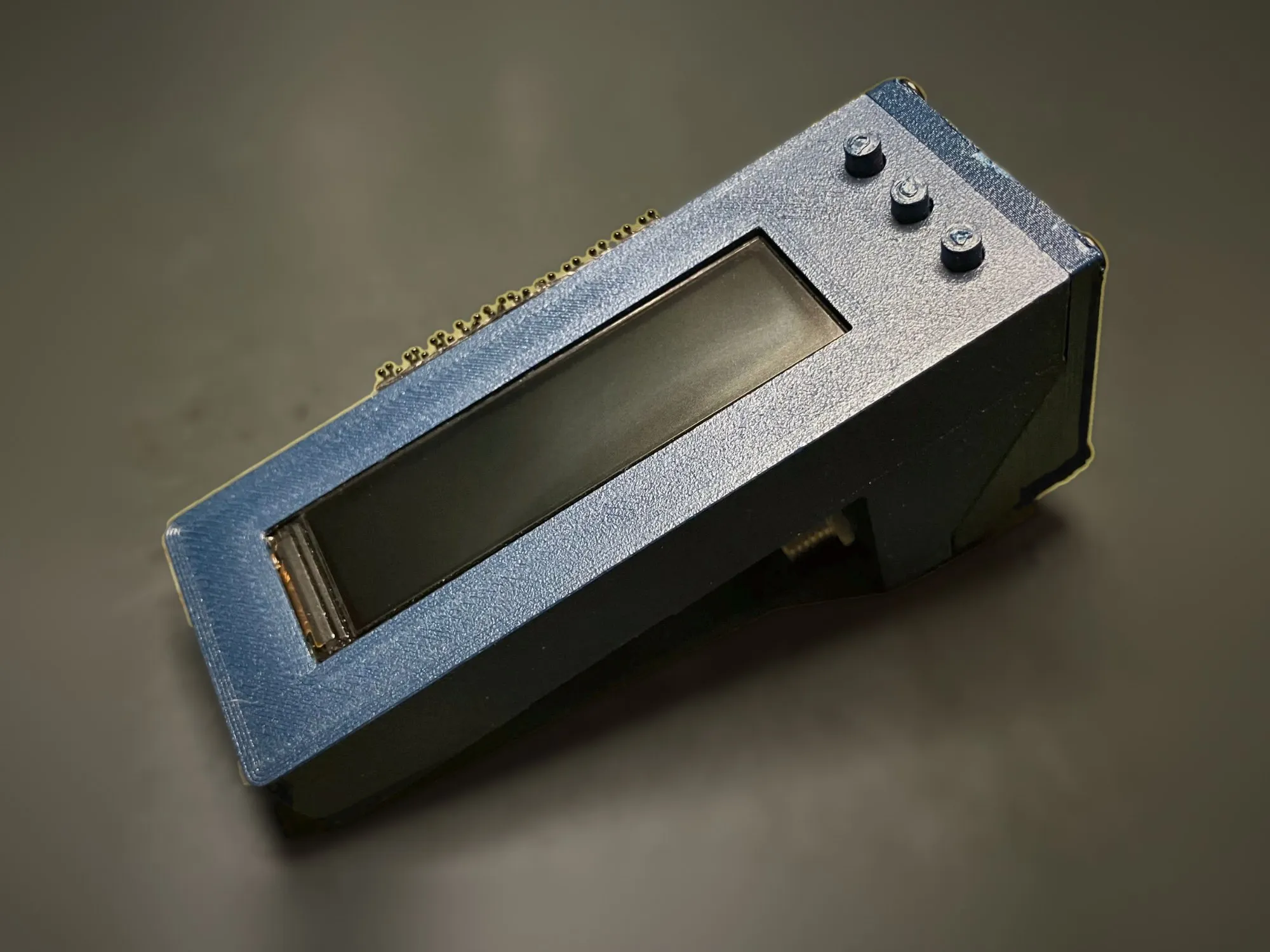
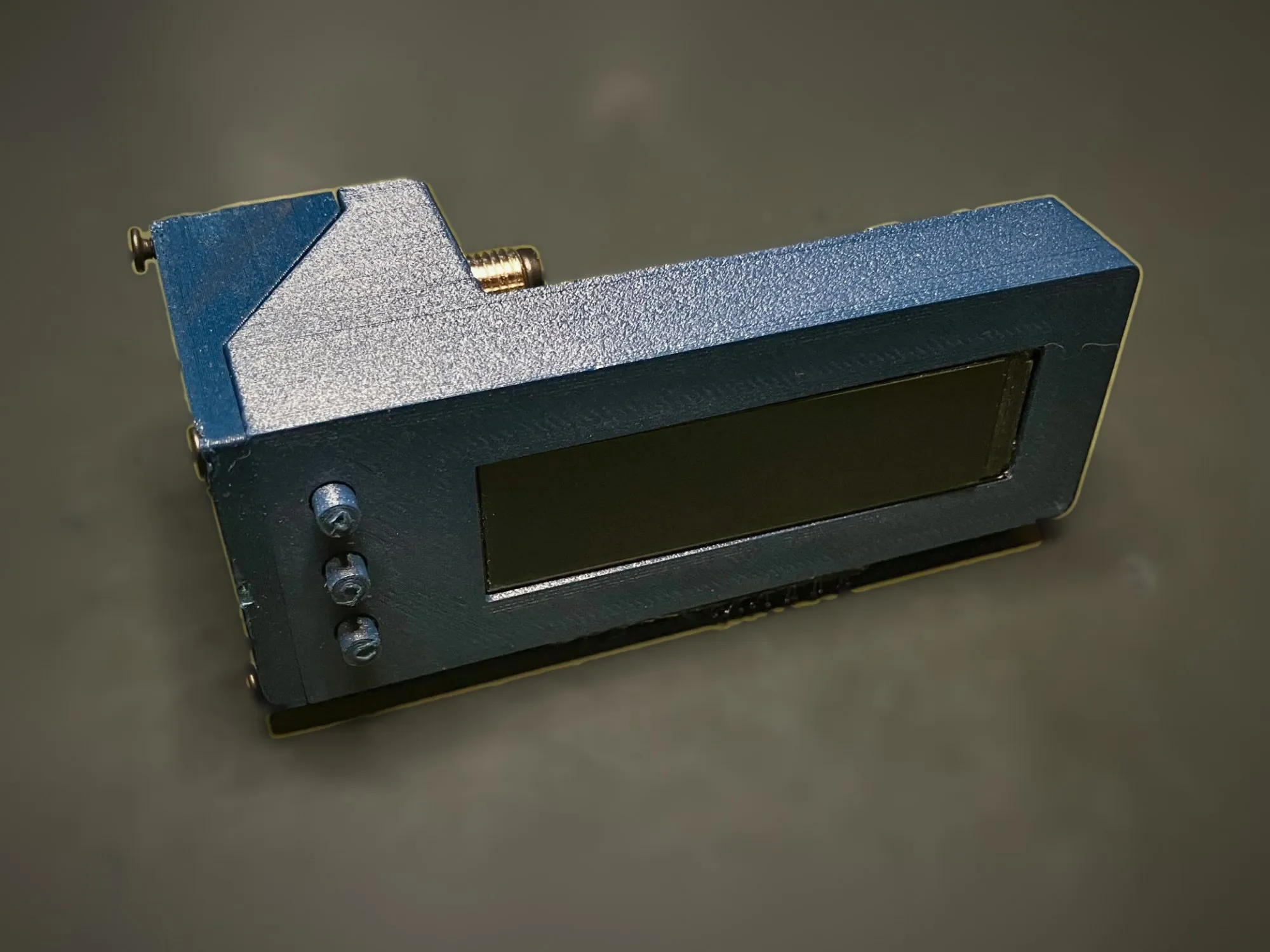
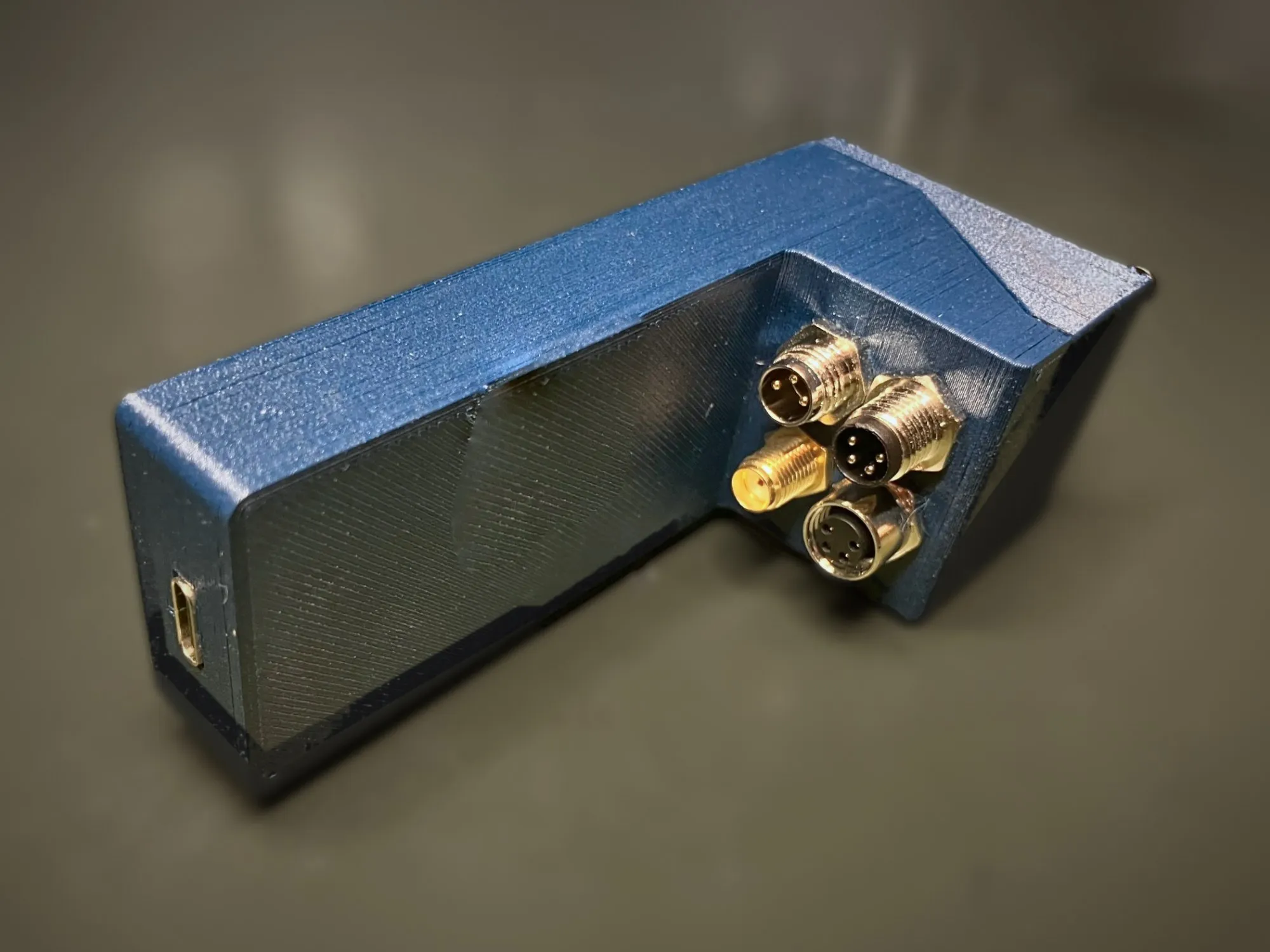
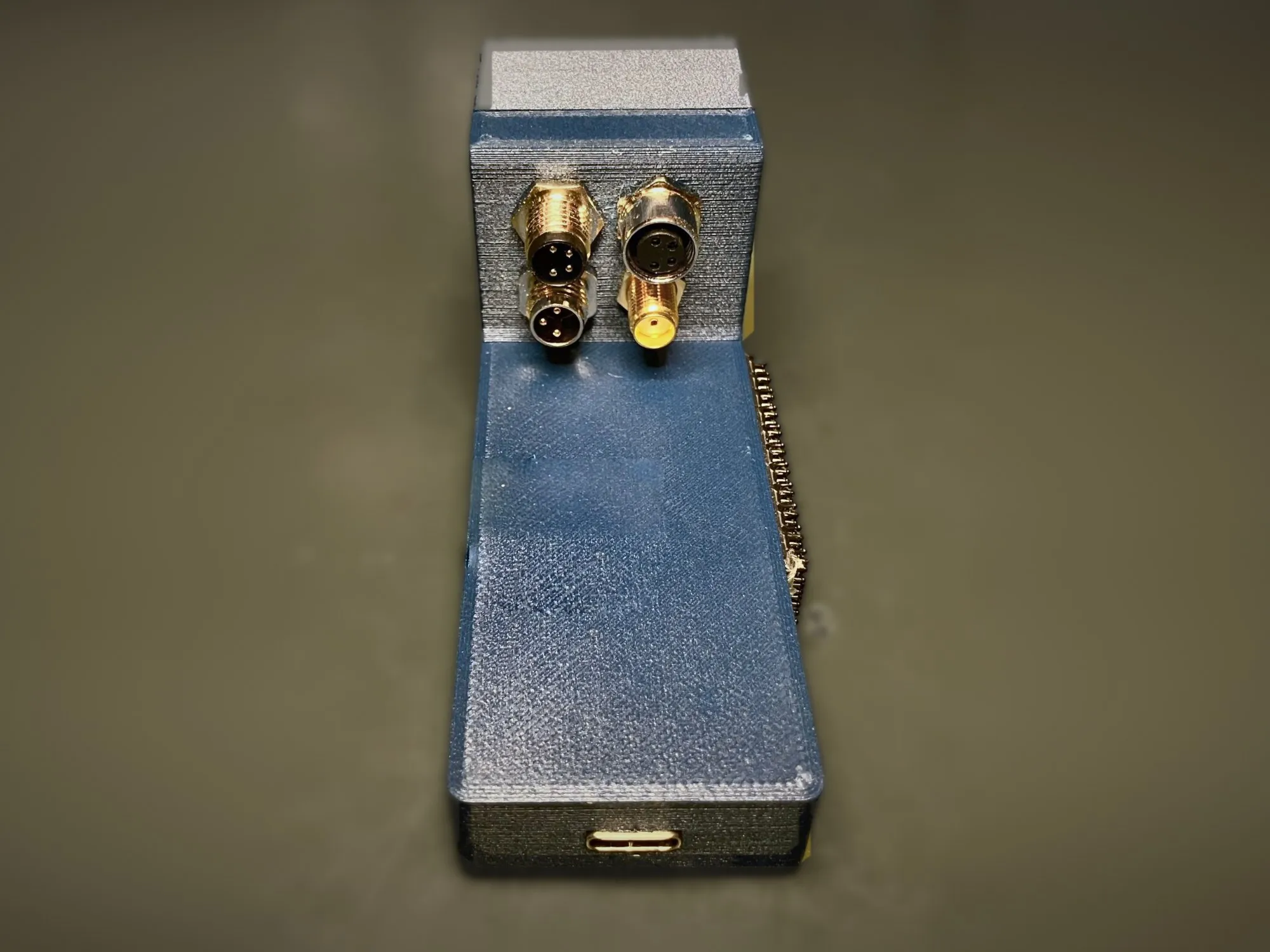
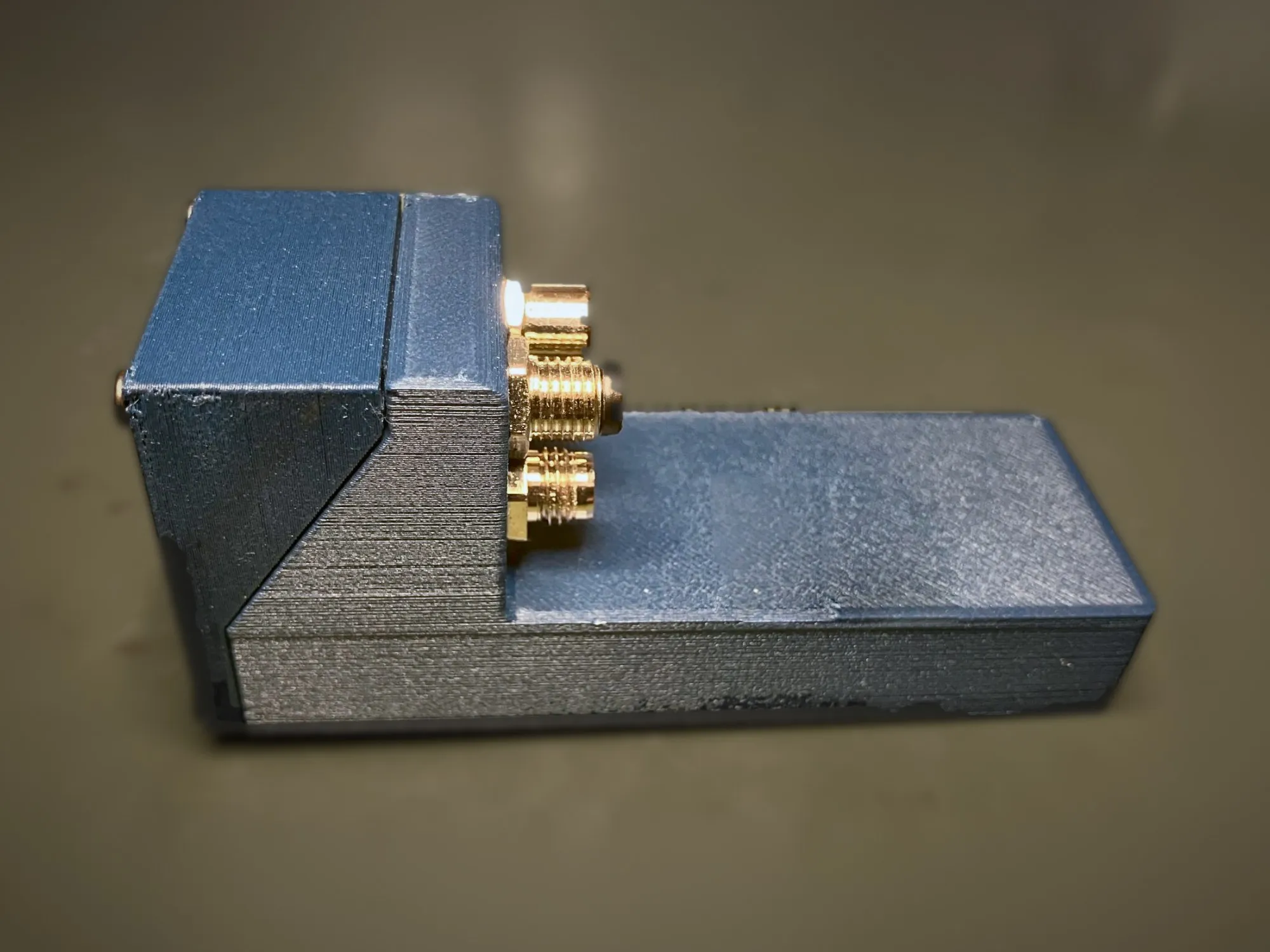
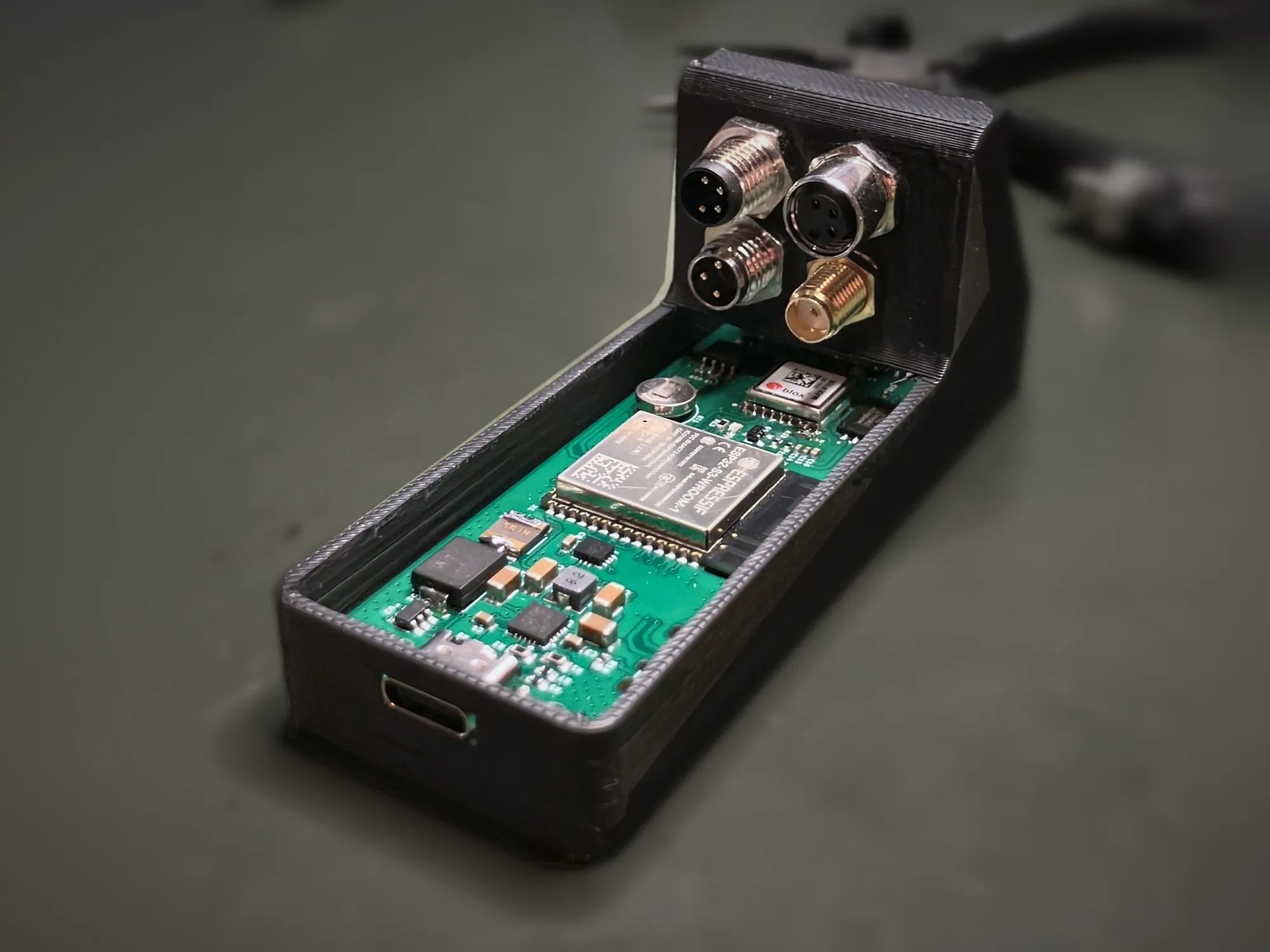
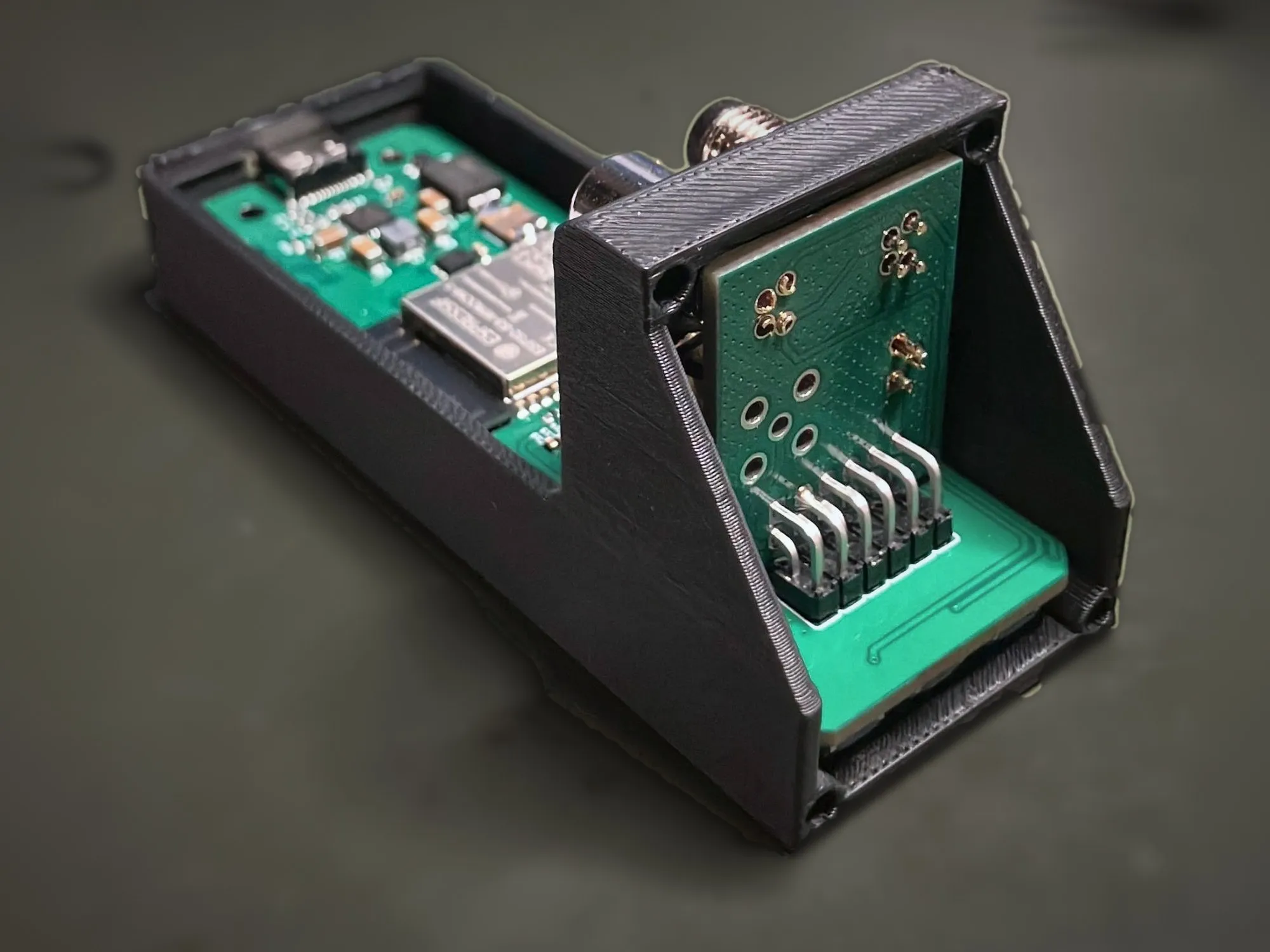
Agile times laps and micro-sectors from dual-band GNSS, with a live delta against the best clean lap on the driver's display. It records the track outline and the pit lane, fuel bay and pit exit zones, so pitted laps never become the reference. Pit board messages and race-control flags sent from the pit wall appear on the dash. The v1.0 prototype is housed in a 3D-printed development enclosure.
- Up to 32 micro-sectors, built automatically on a recon lap
- Live delta against the best clean lap
- Pit board messages and race-control flags on the dash
Prototype pre-release for track tests.
- Type
- Hardware
- Status
- Prototype
- Compliance
- Not certified
- Repository licence
- All rights reserved, licence to be confirmed
- Updated
Specifications
| MCU | ESP32-S3, 16 MB flash, 8 MB PSRAM |
|---|---|
| GNSS | u-blox MAX-F10S dual-band, 10 Hz |
| IMU | LSM6DSV16X 6-axis, 240 Hz |
| Display | 284 x 76 px TFT |
| Micro-sectors | Up to 32, built automatically on a recon lap |
| Log storage | 512 MB NAND, export over Wi-Fi or USB |
| Connectivity | Wi-Fi (HTTP and WebSocket), USB-C |
| Board | 90 x 30 mm, PCB v1.1 |
How micro-sectors work
Agile builds its own micro-sectors. Nothing is drawn by hand: on the first lap it watches the braking, cornering and acceleration forces, and turns the strongest of them into sector boundaries. From the next lap, every micro-sector is timed against the reference and shown on the dash as a green or red block. These are not simulations. The three laps below are real corner data, taken from Agile's log at the 36 Hours of Collie, a record-breaking race at the Collie Motorplex in the south-west of Western Australia and the first 36-hour race held in the southern hemisphere. All three run through the fast right-left after the final hairpin.
Recon lap, where the micro-sectors come from
The first lap of a session has no micro-sectors yet, so the dash shows no delta. Agile logs every sustained force it feels as a candidate event. At the line it keeps the strongest events, spaced along the lap, as sector boundaries.
- Recon lap at 137 km/h. The delta bar is off and the sector strip is empty, because nothing has been timed yet.
- Braking. The car slows and the driver is pushed forward. Agile logs a BRAKE candidate: 0.95 g peak, held for 3.3 s.
- Turn-in. Sideways load through the right and then the left. Agile logs a CORNER candidate: 1.28 g peak over 3.1 s.
- Back on the throttle. The driver is pushed back into the seat, and Agile logs an ACCEL candidate.
- At the line, 19 s later, Agile sorts all 64 candidates of the lap. The strongest one here, the CORNER, wins. The BRAKE and ACCEL events sit within 116 m of it, so they are dropped. The lap ends up with 14 micro-sectors, and one of the boundaries is this turn-in.
First timed lap, too cautious
Lap 2 is timed against the recon lap. The bar shows the live gap at the same point on track. Each micro-sector turns green or red the moment the car crosses its end.
- Lap 2 arrives 130 km/h on the straight, 7 km/h down on the recon lap, and already 4.9 s behind it. The scale has grown to 10 s.
- The driver brakes 19 m earlier than on the recon lap, and more gently: 0.83 g against 1.04 g.
- Micro-sector 12 closes at the turn-in, 0.712 s slower than the reference. It turns red.
- Too slow in the middle: 64 km/h, against 78 km/h on the recon lap.
- The car leaves at 96 km/h, against 103 km/h on the recon lap. Micro-sector 13 will close 0.872 s down, and the bar keeps growing.
Clean lap, both micro-sectors green
Lap 24, run against the best lap so far. The driver brakes at the recon lap's point, carries the speed through and gets on the throttle early. This lap becomes the new reference.
- Lap 24 arrives at 139 km/h, 0.33 s behind the reference lap.
- The driver brakes within 5 m of the recon lap's point, and hard: 0.99 g.
- Micro-sector 12 closes 0.362 s faster than the reference. It turns green.
- 79 km/h at the slowest point, 15 km/h more than on lap 2, with 1.30 g of lateral load.
- The car exits at 105 km/h and the bar swings to green. Micro-sector 13 will close 0.072 s up. Across the two micro-sectors, this lap is 1.6 s quicker than lap 2.
Source: Agile's log from the 36 Hours of Collie, 13-14 November 2026 (LOG_0040.CSV, firmware v0.22.0). Track edges are estimated from the lines of every lap in that log. The dash is redrawn from the logged delta and sector results, following the firmware's drawing code. The predicted lap is shown as the reference lap plus the live delta. The last frame of each row is held for 3 s.
Gallery